
Aunque parezca que hablamos de organizaciones sin fines de lucro que trabajan por la conservación de seres vivos y sus hábitats, más bien nos referimos a los sistemas de vida de ciertas especies, en los que algunos organismos forman grupos para alimentarse, defenderse o migrar.
Por lo regular, estos seres que se agrupan son especies que sobreviven en ecosistemas similares y se necesitan uno del otro -o unos de otro- para un determinado fin: nutrirse del cuerpo del otro organismo, protegerse de las amenazas climáticas o depredadores, utilizar los mecanismos y habilidades de otros para desplazarse, entre muchas otras.

En la mayoría de ocasiones, estas interacciones biológicas se realizan en “pactos” donde tanto una especie como la otra se benefician (mutualismo), como cuando una especie se beneficia de la otra, sin perjudicarla ni dejarle ningún beneficio (comensalismo).
—
Although it seems that this is about non-profit institutions that work for the conservation of living organisms and their habitats, we refer to the living system of certain species, in which some organisms put together groups to feed, defend themselves or migrate.
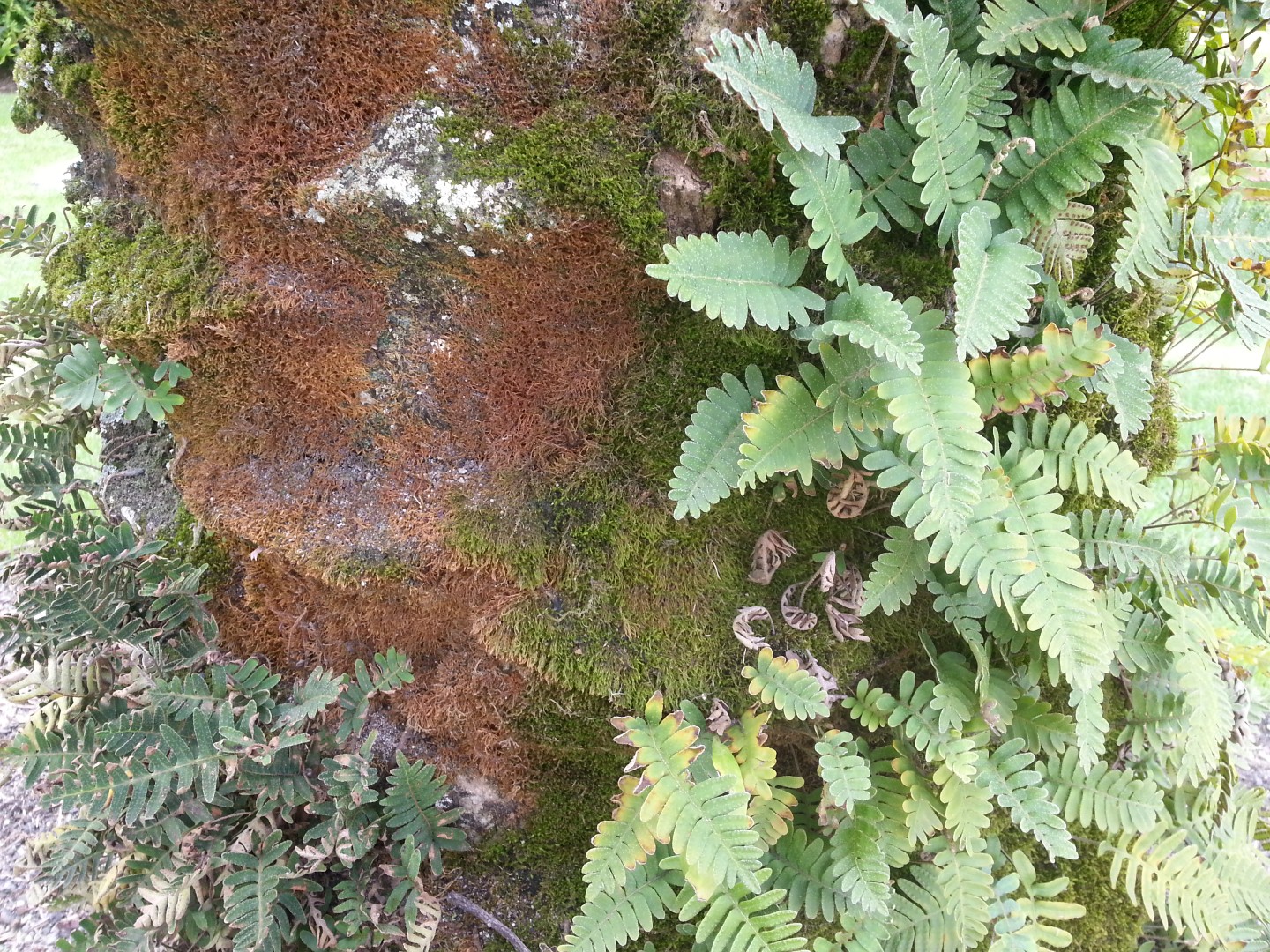
Usually, they are beings that survive in similar ecosystems and need each other -or one another- for a particular purpose: nourish from the body of another organism, protection from weather threats or predators, use the mechanisms and abilities of other living beings to shift or move, among many others.
In most cases, these biological interactions take place in “pacts” where both species are benefit (mutualism), as when one species benefits from the other without letting any benefit or harm it (commensalism).

