Giant Tortoise Fossils expose recent Climate Change in DR

Lee en español

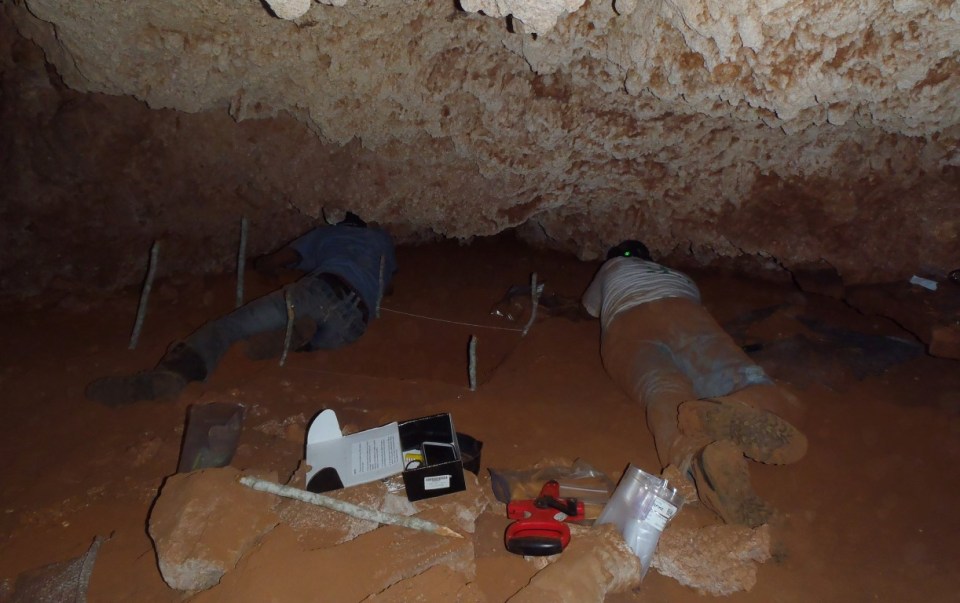
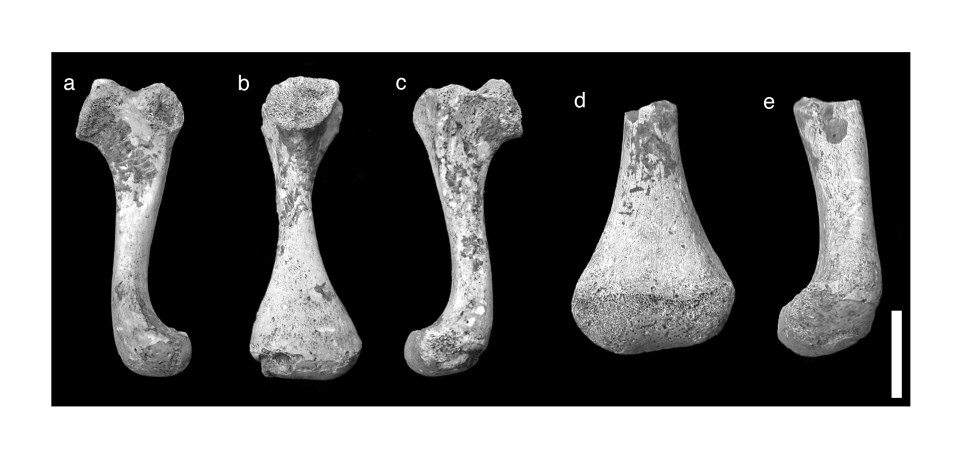
The biodiversity of Hispaniola island takes these specialists on a new journey in time. Scientists from Dominican Republic, New Zealand and the UK recently described the extinct giant tortoise of the island and presented new ideas on recent climate change in what we know today as DR and Haiti.

Continue reading “Giant Tortoise Fossils expose recent Climate Change in DR”
AMNH Gilder Center Promises New Adventures in Near Future

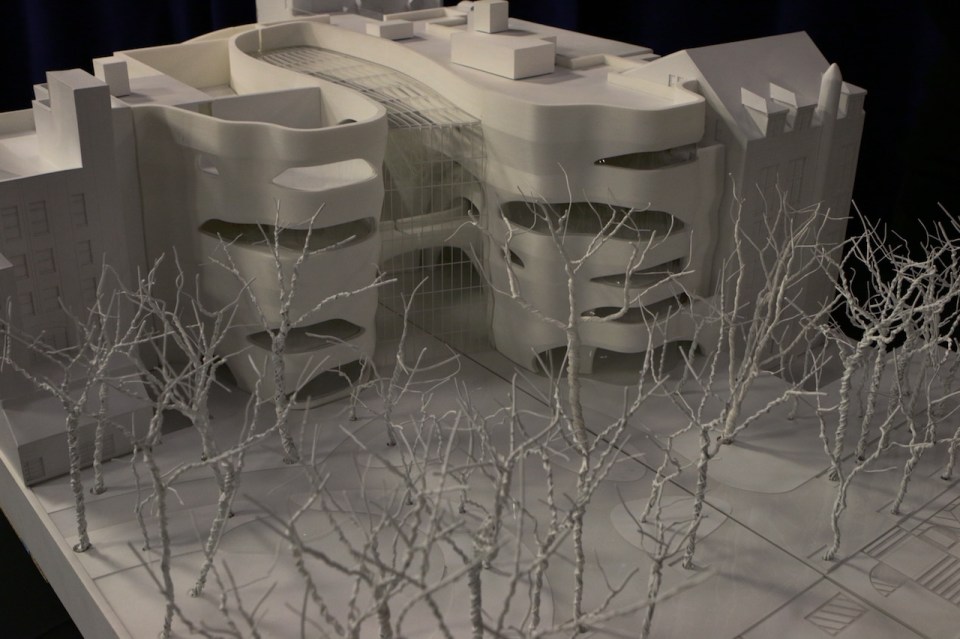
Educating in science never got this innovative in the Northeastern: an interactive glass wall the third of a football field, live insects crawl up your sleeves and an immersive theater that pull you away from space and time are just three of the unique promises the American Museum of Natural History proposed when engaging in the Richard Gilder Center for Science, Education and Innovation.

Continue reading “AMNH Gilder Center Promises New Adventures in Near Future”

DR, Science and the Environment

As I work towards becoming a science journalist in the US, I kept establishing relationships with editors in the science and environment beats in Dominican media outlets. This is when I start working with Diario Libre’s Multimedia Editor Marvin del Cid. And, for the first time, I pithed and published an enterprise story on endemic monkey fossils from the Hispaniola.

Continue reading “DR, Science and the Environment”

Dirt, Bones & Siobhán Cooke

About 1 million years ago, endemic monkeys used to live on islands of the Caribbean. What today is one of our getaway destinations -Dominican Republic and Haiti-, is also a project site for scientists who look for fossil remains, some of which lead to new territorial distributions of these species’ habitats and to the understanding of their ruling over the Hispaniola, the reason why they’ve gone extinct.

Continue reading “Dirt, Bones & Siobhán Cooke”