Edible Wild Beauty of the Chicory

Lee en español

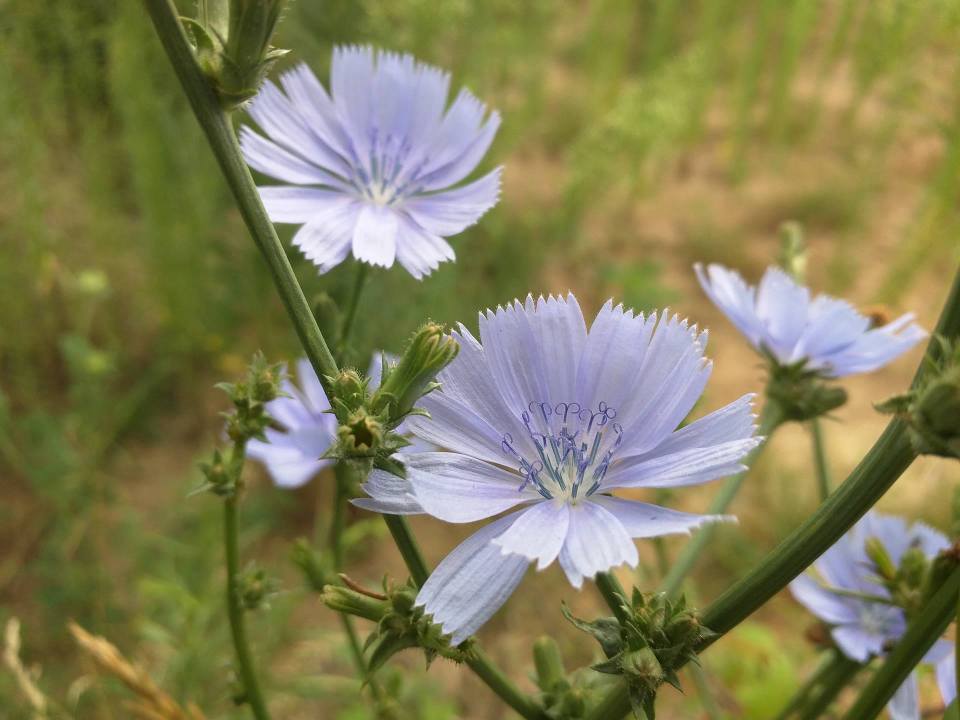
The nutritious and medicinal properties of this wildflower can blow your mind in a second, as much as its beautiful blue blossom. Rather you call it Achicoria, Blue Sailors, Belgian Endive, Chicorée or Barbe de Capucin, the scientifically named Chicorium intybus can be eaten from the bud to the root, and add lots of vitamins and minerals to your next home made recipe.

Continue reading “Edible Wild Beauty of the Chicory”

DR, Science and the Environment

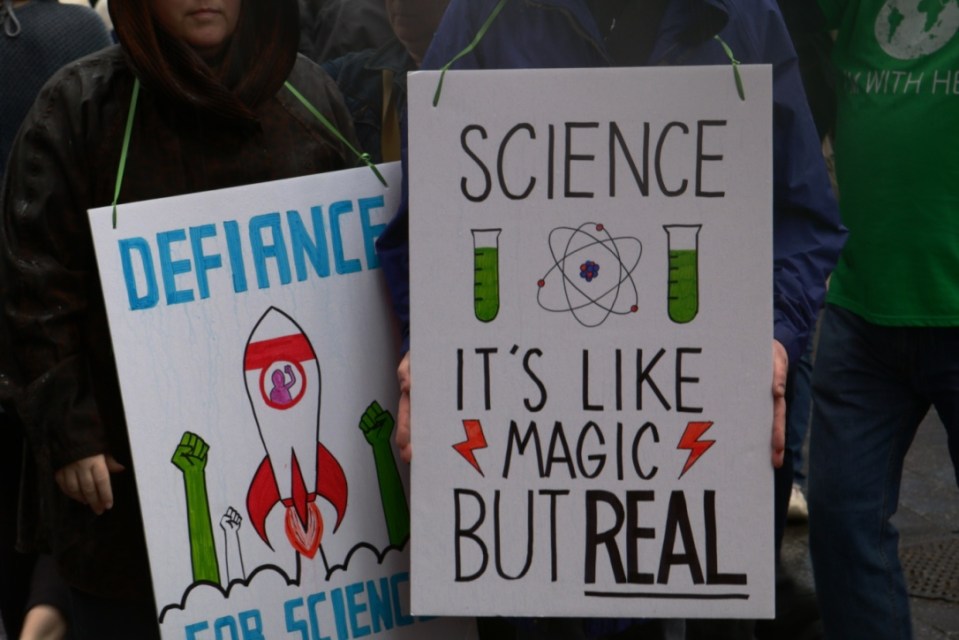
As I work towards becoming a science journalist in the US, I kept establishing relationships with editors in the science and environment beats in Dominican media outlets. This is when I start working with Diario Libre’s Multimedia Editor Marvin del Cid. And, for the first time, I pithed and published an enterprise story on endemic monkey fossils from the Hispaniola.

Continue reading “DR, Science and the Environment”

New findings on Hispaniolan monkeys

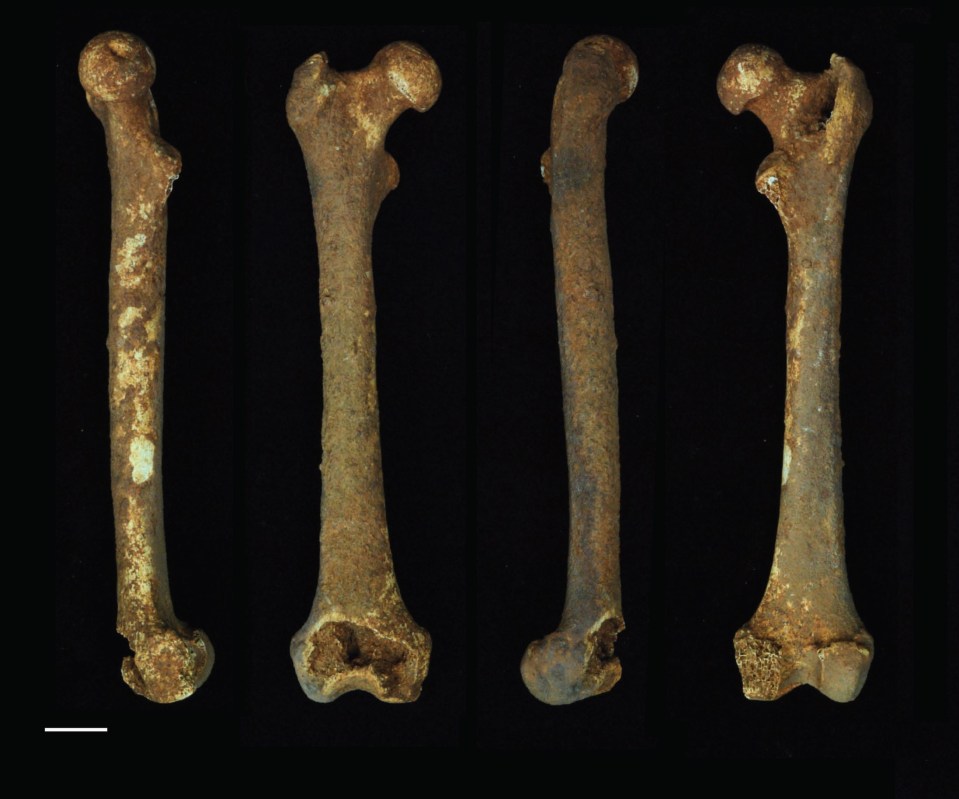
The collecting of a primate femur and other fossil remains lead to a new breakthrough in Caribbean paleontology. Specialists discovered fossils of a primate and other species in a southern area of Hispaniola, presented in a preliminary study which suggests a higher level of endemism in the region and extends the territorial distribution patterns of endemic monkeys throughout the island.

Continue reading “New findings on Hispaniolan monkeys”

Dirt, Bones & Siobhán Cooke

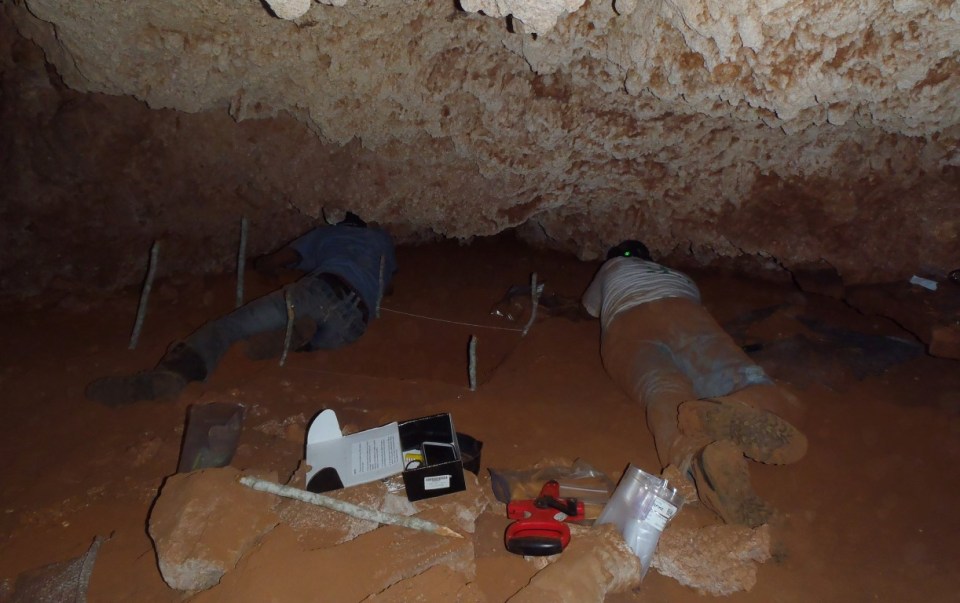
About 1 million years ago, endemic monkeys used to live on islands of the Caribbean. What today is one of our getaway destinations -Dominican Republic and Haiti-, is also a project site for scientists who look for fossil remains, some of which lead to new territorial distributions of these species’ habitats and to the understanding of their ruling over the Hispaniola, the reason why they’ve gone extinct.

Continue reading “Dirt, Bones & Siobhán Cooke”

Viene Tormenta de Nieve

El invierno 2015-2016 muestra un cambio climático evidente. La Gran Manzana no había sentido una helada ni visto nieve desde finales de febrero pasado.

Los primeros copitos cayeron el domingo 17 de enero por la tarde, con temperaturas que rodeaban los altos 30F (entre 2C y 4C). Y en lo que va de época, apenas se han registrado 5 días con temperaturas bajo el punto de congelación. Está claro que este invierno es distinto.

Aunque el año 2015 fue el más cálido en los últimos 135 del registro de la NOAA, este invierno será agresivo y muy frío.

Continue reading “Viene Tormenta de Nieve”