Oceans Best Kept Secrets Revealed
Lee en español

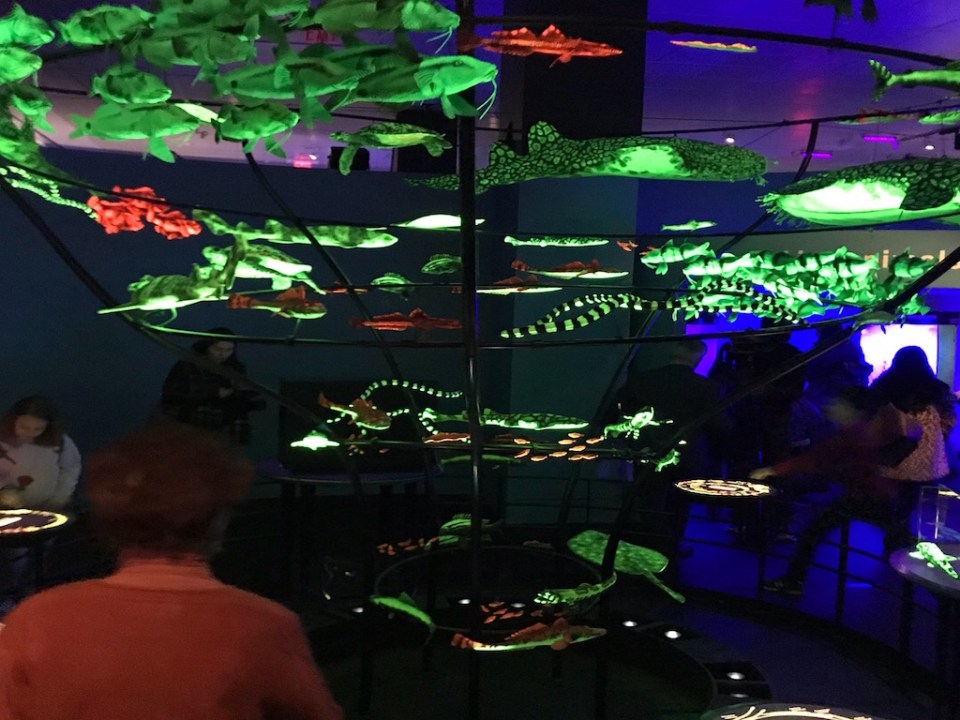
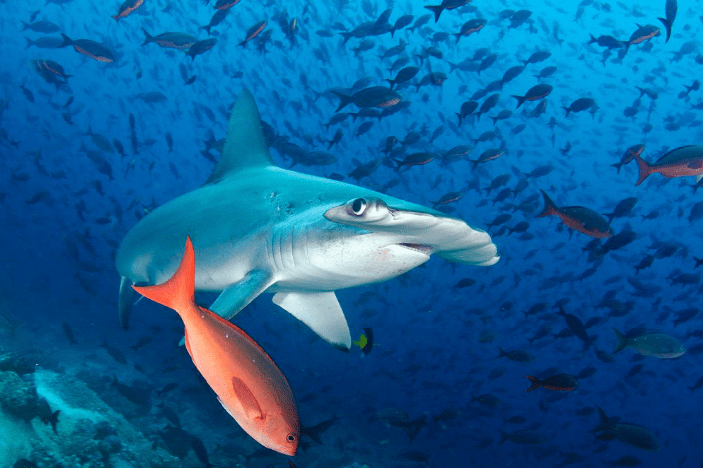
At the entrance of the exhibit, waves bathe your feet in the form of a hologram. And, if you close your eyes and listen closely, you might find yourself walking on a Caribbean beach at dusk. This is how the American Museum of Natural History (AMNH) attempts to persuade your senses and submerge all its visitors into the most recent scientific discoveries in the depth of the ocean.

Continue reading “Oceans Best Kept Secrets Revealed”

Giant Tortoise Fossils expose recent Climate Change in DR

Lee en español

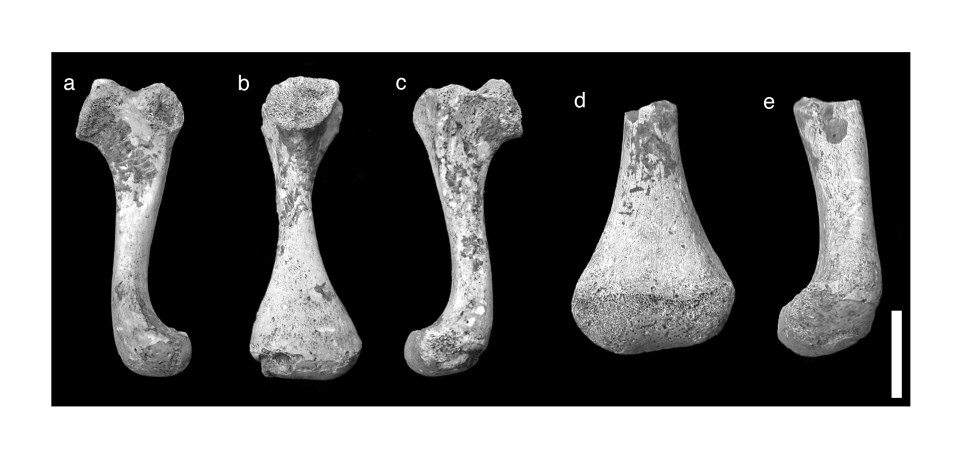
The biodiversity of Hispaniola island takes these specialists on a new journey in time. Scientists from Dominican Republic, New Zealand and the UK recently described the extinct giant tortoise of the island and presented new ideas on recent climate change in what we know today as DR and Haiti.

Continue reading “Giant Tortoise Fossils expose recent Climate Change in DR”

¡Cuba! afianza importancia de preservar el Caribe Insular

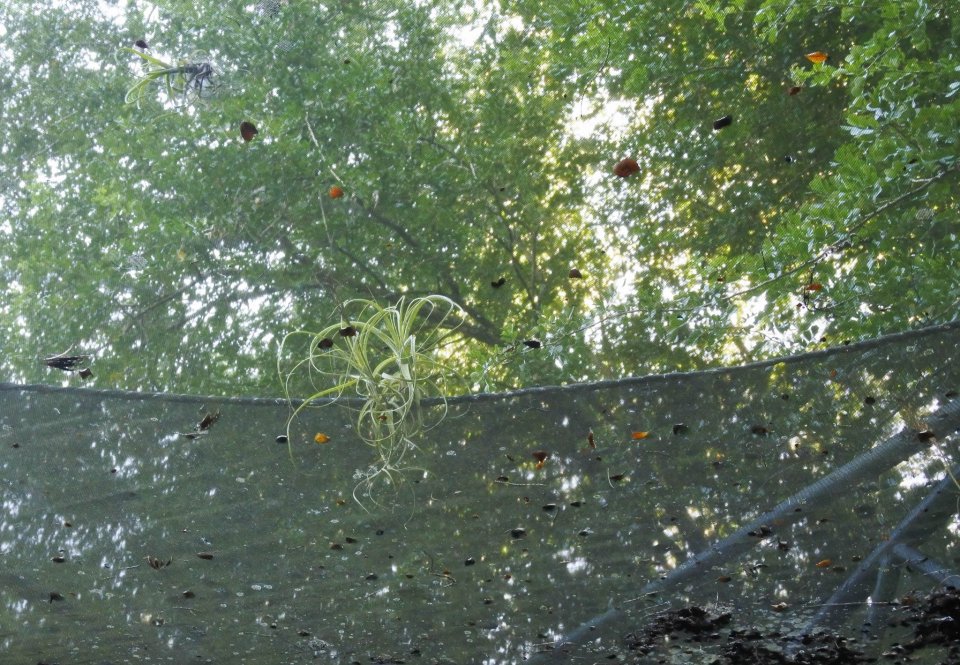
Como en cualquier otro país latinoamericano, te reciben los nativos con una sonrisa. Creas simpatía al compás de cuerdas de guitarra, justo debajo de trinitarias y helechos, esas plantas que adornan la arquitectura colonial. 

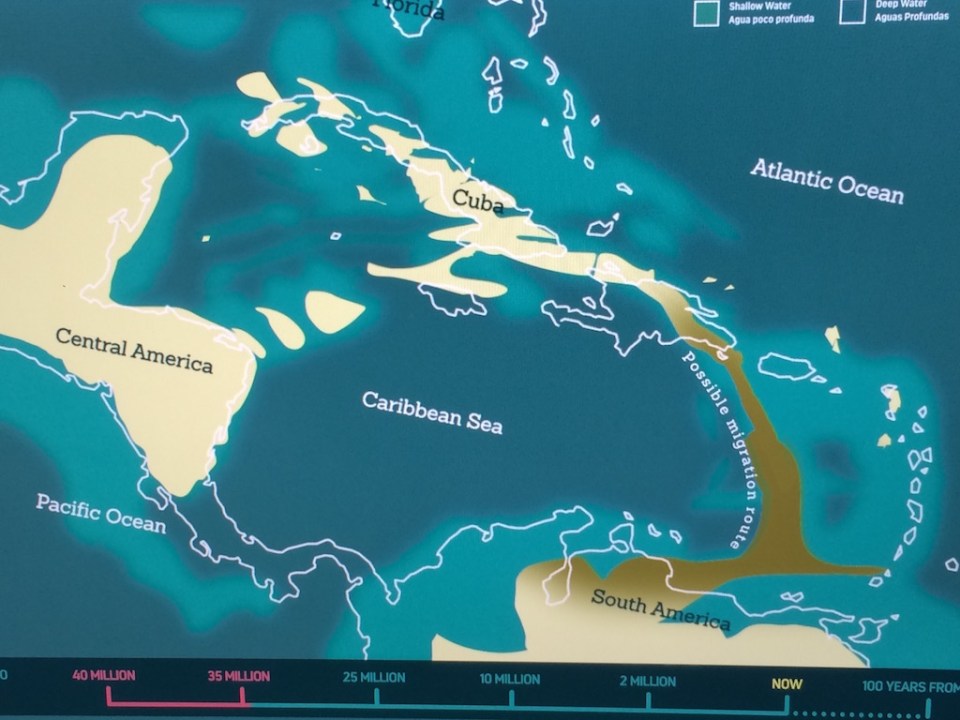
Así se palpa “¡Cuba!”, la primera exhibición bilingüe que expone el Museo Americano de Historia Natural sobre la biodiversidad y cultura de la isla antillana más grande del Caribe.

Continue reading “¡Cuba! afianza importancia de preservar el Caribe Insular”

Edible Wild Beauty of the Chicory

Lee en español

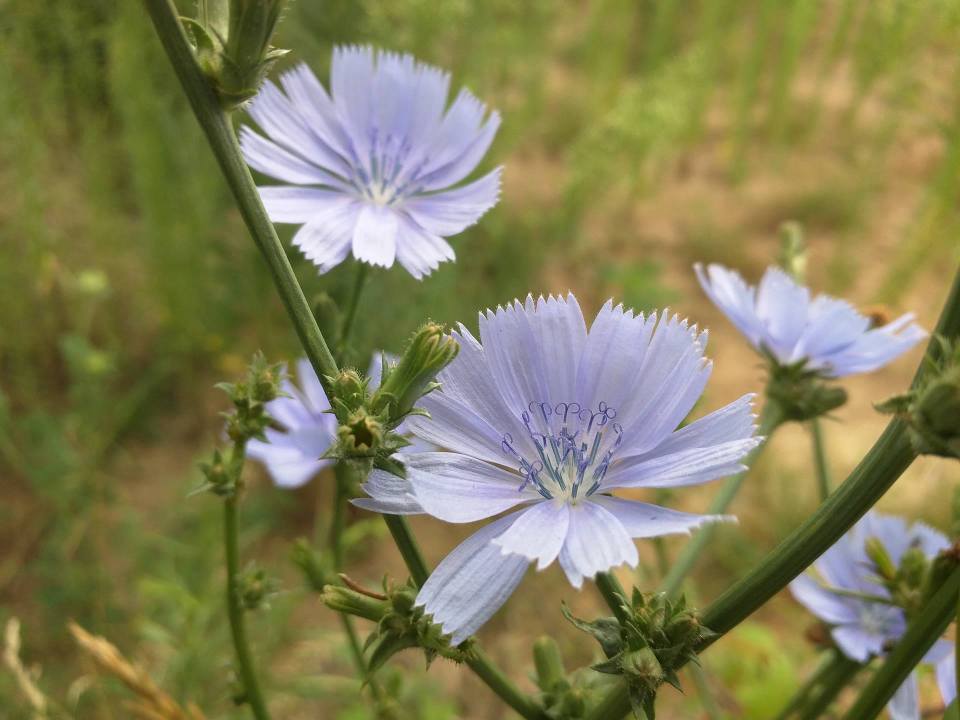
The nutritious and medicinal properties of this wildflower can blow your mind in a second, as much as its beautiful blue blossom. Rather you call it Achicoria, Blue Sailors, Belgian Endive, Chicorée or Barbe de Capucin, the scientifically named Chicorium intybus can be eaten from the bud to the root, and add lots of vitamins and minerals to your next home made recipe.

Continue reading “Edible Wild Beauty of the Chicory”